
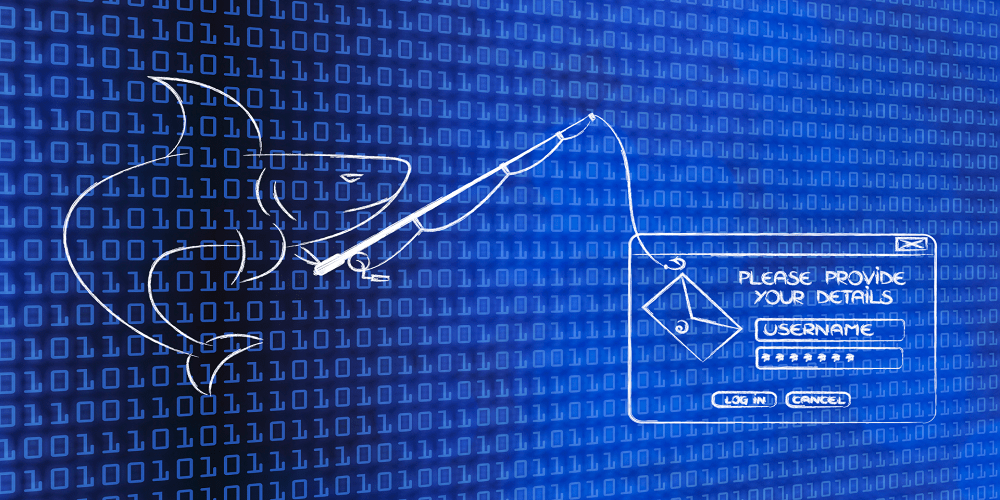

Phishing attacks have become a ubiquitous threat in the digital age, preying on human vulnerabilities to gain access to sensitive information or install malware. These attacks, often disguised as legitimate communications from trusted entities, can lead to significant financial losses, identity theft, and data breaches for individuals and organizations alike.
Understanding the Anatomy of a Phishing Attack
Phishing attacks typically involve three key elements:
- The Phisher: The attacker, who orchestrates the phishing campaign and creates the deceptive messages.
- The Target: The individual or organization that the attacker aims to deceive.
- The Bait: The deceptive message, often an email, SMS, or social media post, that lures the target into taking action.
Common Phishing Techniques
Phishers employ a variety of tactics to increase their chances of success, including:
- Spoofing: Masquerading as a trusted entity, such as a bank or social media platform, to gain the target’s trust.
- Creating a Sense of Urgency: Using urgent language or time-sensitive deadlines to pressure the target into acting without careful consideration.
- Embedding Malicious Links: Including links in the phishing message that lead to fake websites or download malware.
- Preying on Emotions: Exploiting human emotions, such as fear or curiosity, to manipulate the target.
Protecting Yourself from Phishing Attacks
While phishing attacks are sophisticated, there are steps you can take to protect yourself:
- Be Cautious of Unsolicited Messages: Exercise caution when opening emails, SMS messages, or social media posts from unknown senders.
- Verify Sender Information: Before clicking on any links or providing personal information, check the sender’s email address or phone number carefully.
- Hover over Links: Before clicking, hover over links to see the actual destination URL. If it doesn’t match the expected website, don’t click.
- Use Strong Passwords: Create strong, unique passwords for all your online accounts and enable two-factor authentication (2FA) whenever possible.
- Stay Informed: Keep yourself updated on the latest phishing scams and techniques by following cybersecurity news and organizations.
Cliffguard Cybersecurity: Your Partner in Phishing Protection
Cliffguard Cybersecurity provides comprehensive phishing protection solutions to safeguard your organization from these evolving threats. Our solutions include:
- Anti-Phishing Email Filtering: Block phishing emails before they reach your inbox.
- Phishing Simulation Training: Educate employees to recognize and avoid phishing attacks.
- Dark Web Monitoring: Identify and remediate stolen credentials associated with your organization.
- Incident Response Support: Provide expert assistance in case of a phishing attack.
By partnering with Cliffguard Cybersecurity, you can confidently protect your organization from phishing attacks and maintain a secure digital environment.
The most secure computer is the one that is turned off.
Kevin Mitnick, “The World’s Most Famous Hacker”